I know you may be a victim of the vast amount of confusion in the field of high notes. But let's just stop and reason with each other.
Don't overthink this, let's follow the logic. What is coordination?
A coordination is just a series of steps working together. Learn the steps individually, then learn how to put them together, and you learn the thing. That's it.
Most singers could actually learn coordination — specifically the kind that allows complete freedom in their upper range. The problem is either nobody told them, or their knowledge reservoir is so scattered among dozens of YouTube videos, reels, and TikToks that nothing ever connected into a system.
Aren't you tired of being confused? As a person who has quite literally been there, I know it's exhausting!
There is so much mystery surrounding mix voice that it would lead someone to think “this is just too hard” or “not for me” or even worse “only for the naturally talented.” Listen — no one who is considered even remotely talented has blindly stumbled onto high note success. You can surely believe this. They were taught. They practiced. They coordinated.
So my question to you is: what if you encountered a highly qualified and experienced teacher who is able to demonstrate these techniques on command, someone with hundreds of hours of clinical experience, and who could show you step-by-step how to achieve this very goal? Wouldn't that be worth your time?
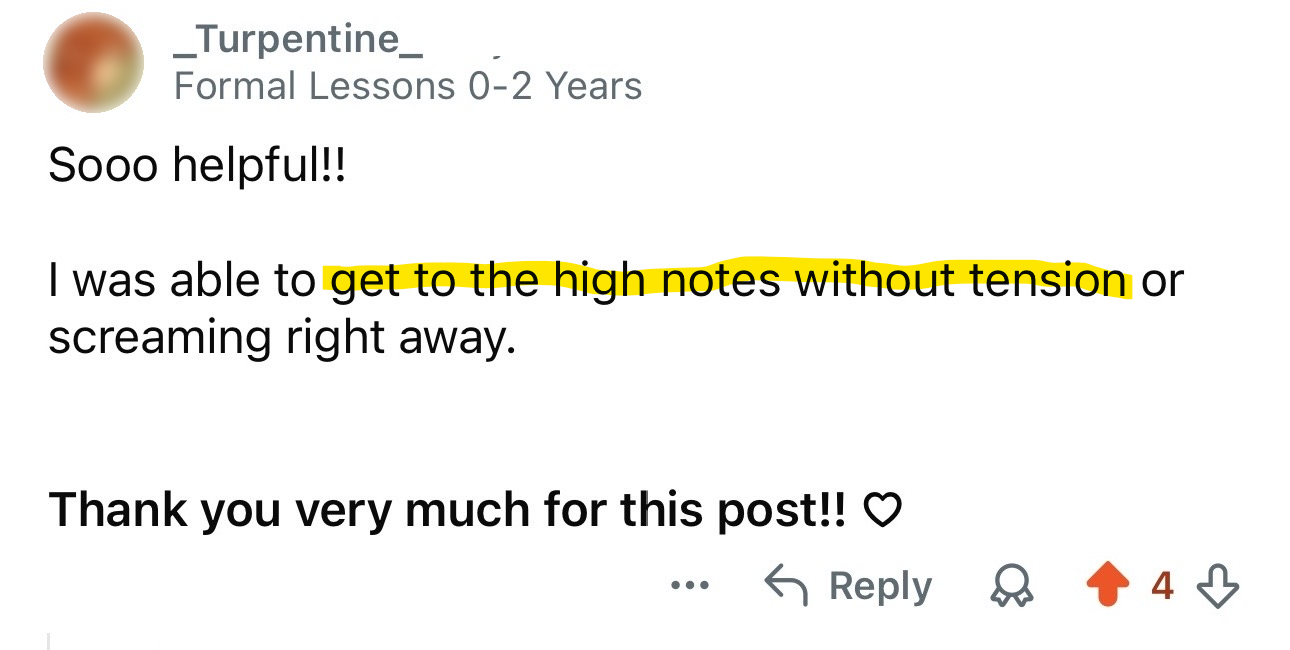
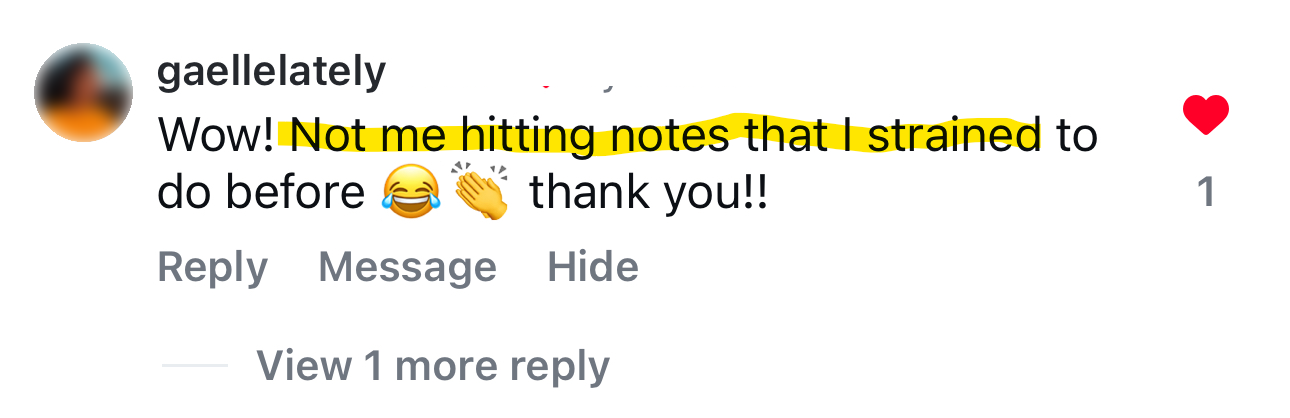
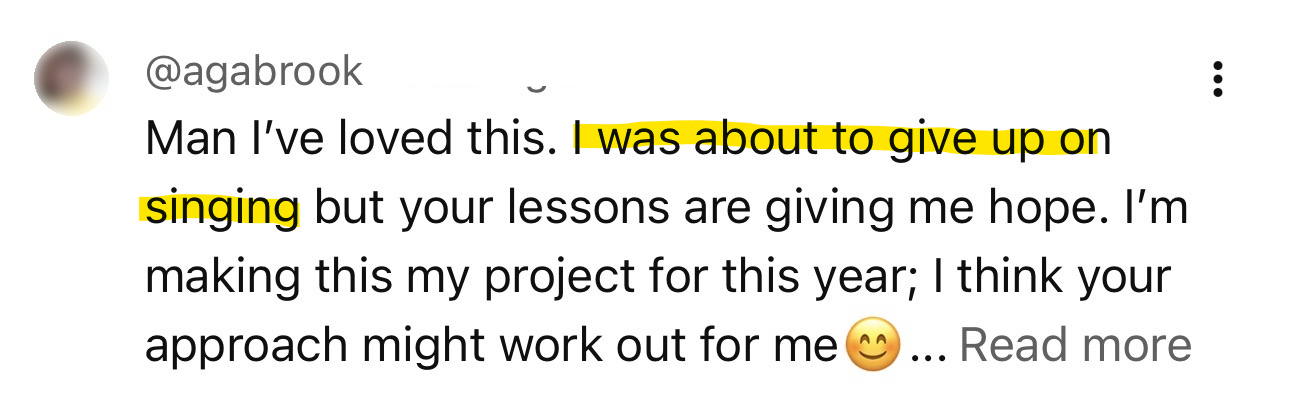
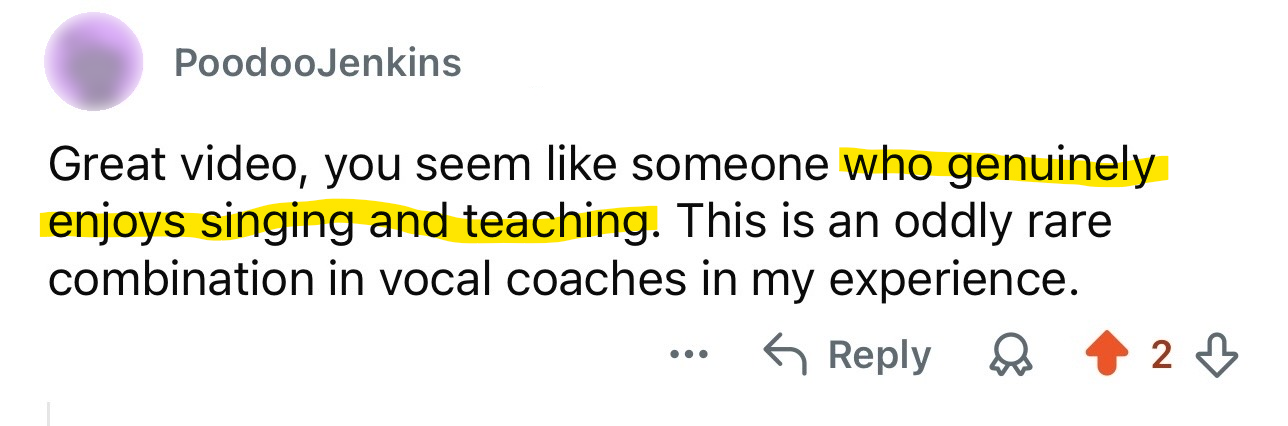
These singers received IMMEDIATE results
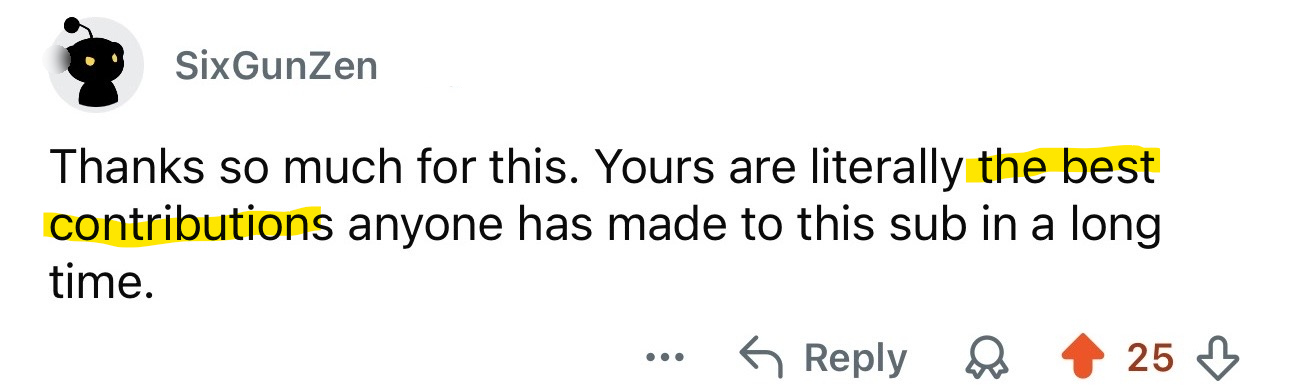
These aren't paid testimonials. Real comments from singers trying these techniques.







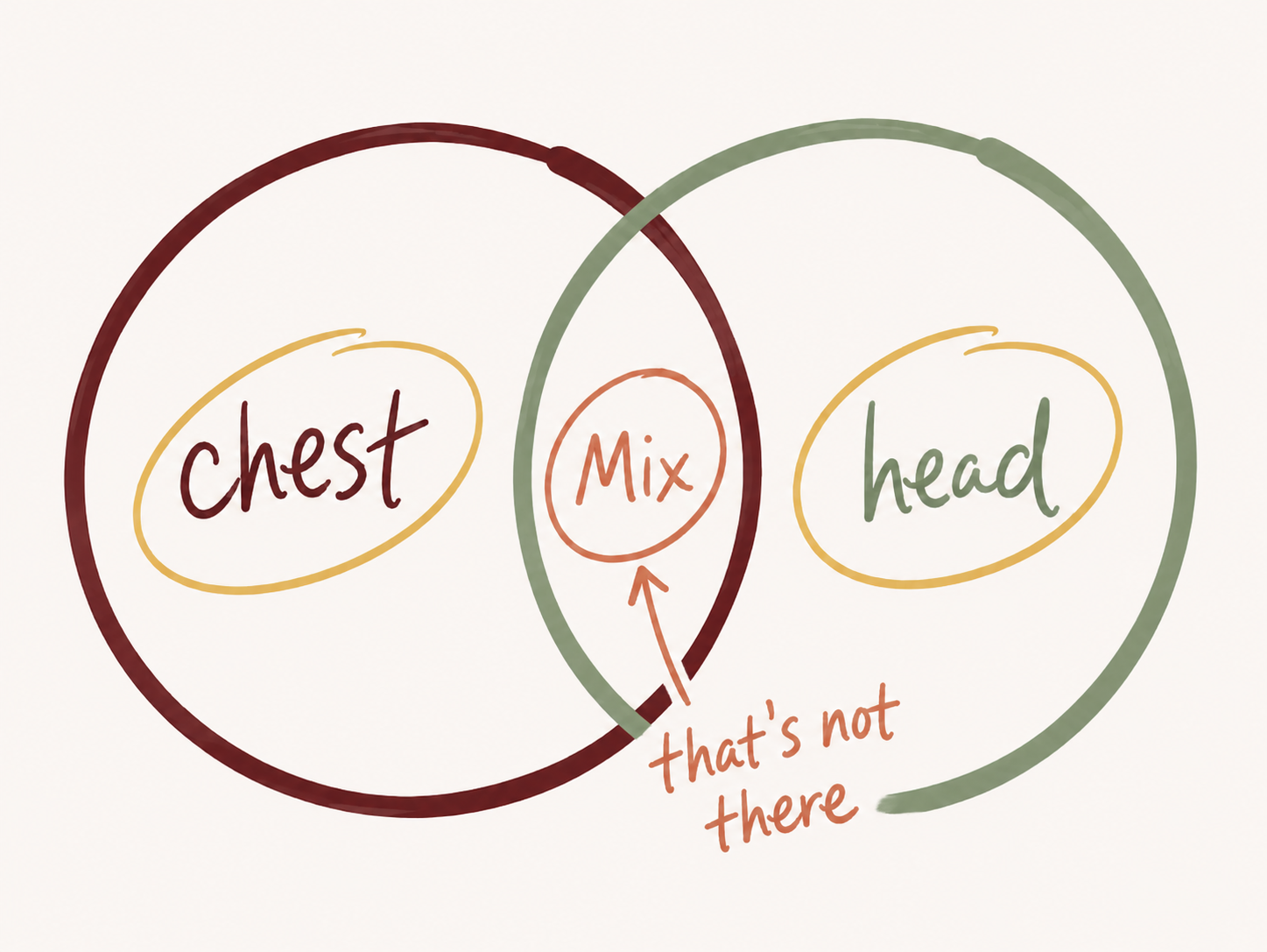
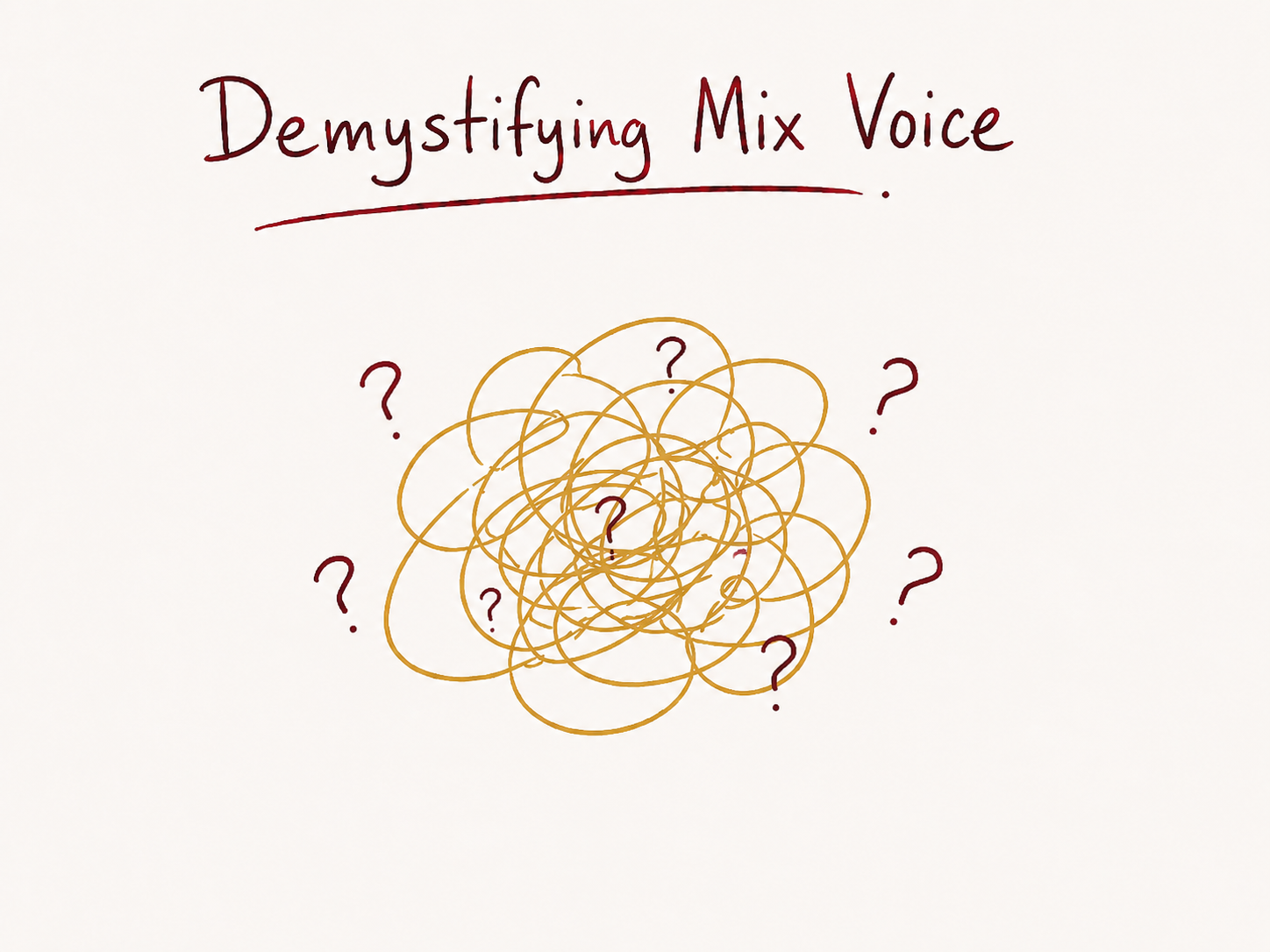
Mix Voice DOESN'T Exist
It's not what you think
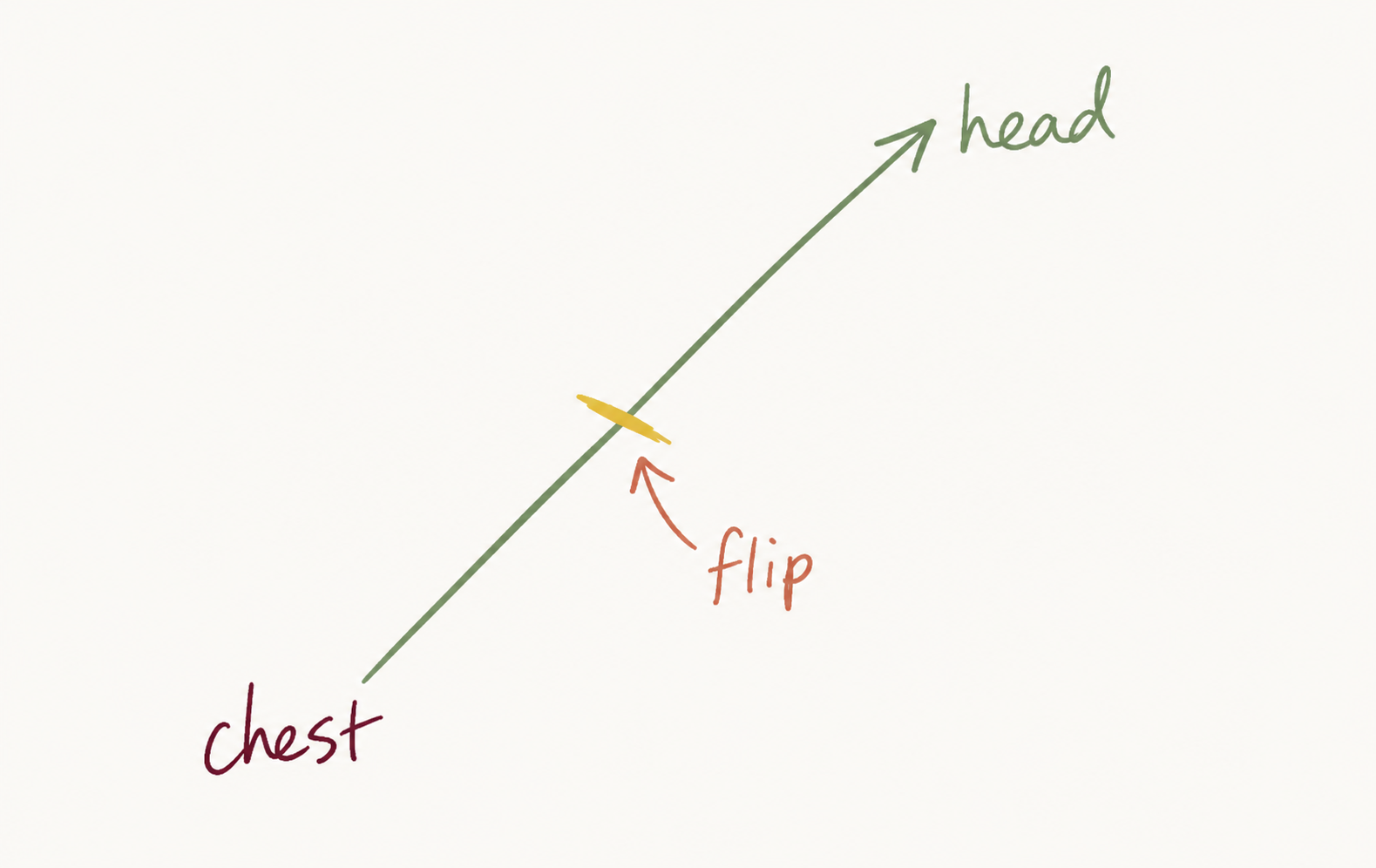
Where Your Voice Breaks Down
Every singer knows the feeling. The note is right there. Then it isn't.
You Push Harder
The note feels out of reach, so the instinct is to add force: more volume, more tension. The voice locks up tighter the harder you push.
You Flip or Crack
Right at the break, the voice gives out. It cracks, flips into falsetto, or cuts off entirely. Right when you needed it most.
You Lose Consistency
You hit it once, then can't do it again. No pattern, no control. Just hoping the voice cooperates each time.
You aren't LACKING range. You're using the WRONG muscles.
High Notes Don't Require More Force.
They Require Different Coordination.
What singers believe
High notes require more power and force
Pushing harder will get you through the break
Your range is determined by natural ability
What's actually true
High notes need less interference, not more effort
The break is a coordination gap, not a ceiling
Range opens up when the voice is properly coordinated
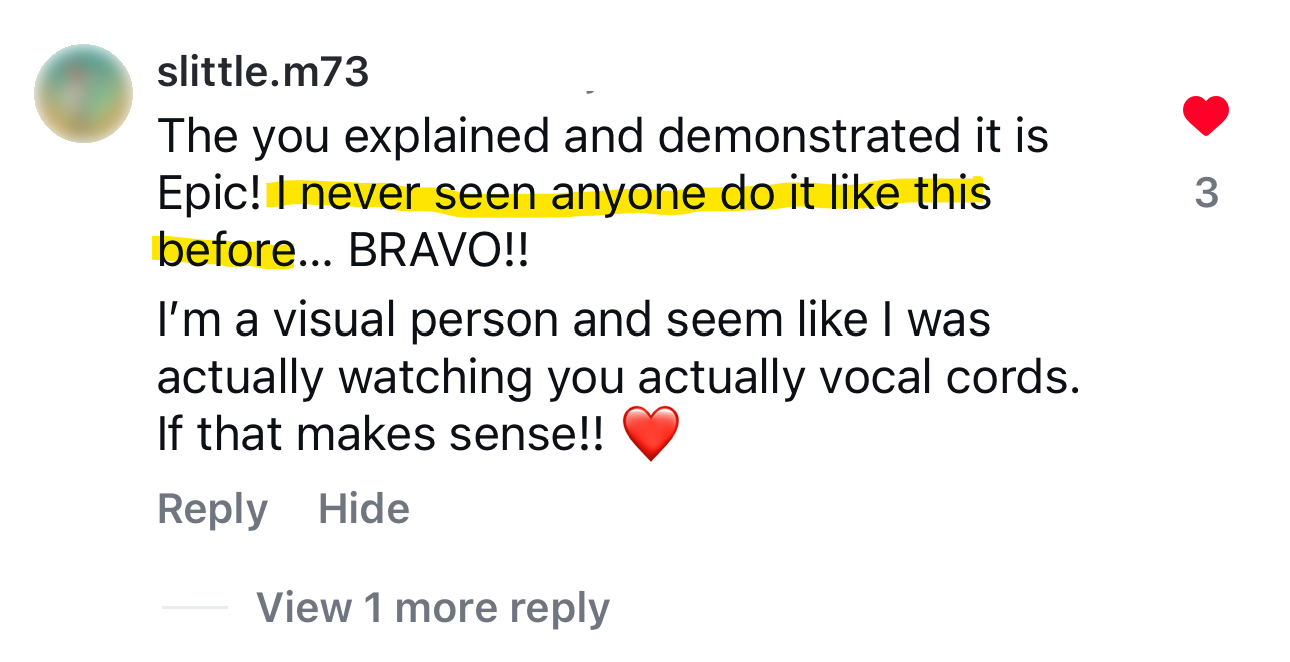
“Finally, someone who actually teaches something that is useful...”
&
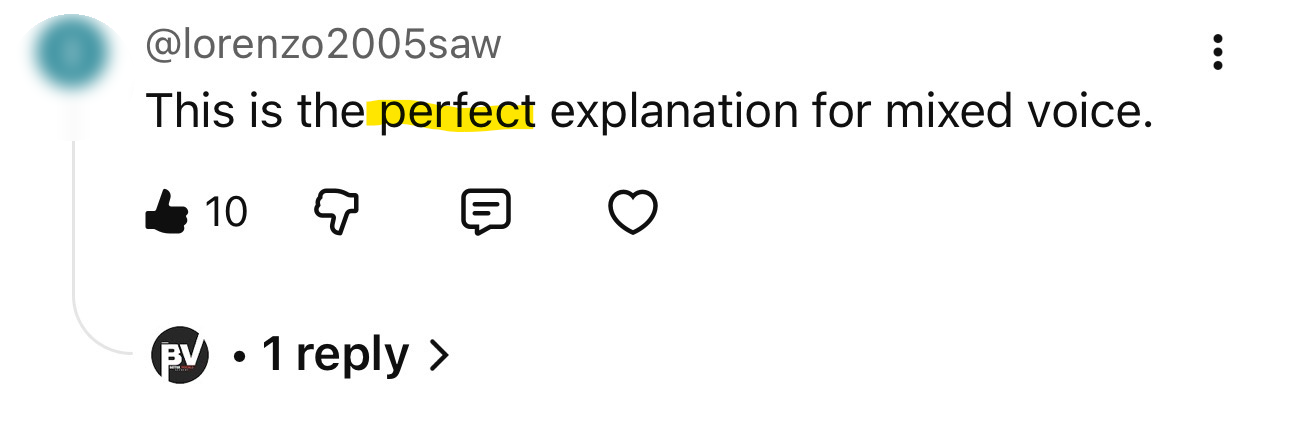
“This is a perfect explanation for mixed voice.”
REAL comments from singers who had never seen it explained this clearly before.




What is Mode 1?
Mode 1 is the gear your voice is already in. It covers your full natural range — including the high notes most singers struggle with. Mode 2 goes higher still, into the stratospheric notes. That's a separate course.
But here is what most singers don't know: mastering Mode 1 alone — without ever touching Mode 2 — would put you ahead of 80% of singers. EIGHTY PERCENT. Because most singers never truly master it. They push through it, strain around it, and call it a ceiling. It is not a ceiling. It is an unlearned coordination.
Show me a singer who conquered Mode 2 and I'll show you someone who first conquered Mode 1.
And here's what's equally true — advanced singers switch between both ALL the time. You cannot switch between them if you haven't mastered one. This is where it starts. This course teaches you to own it completely.
What changes when your voice is functioning correctly:
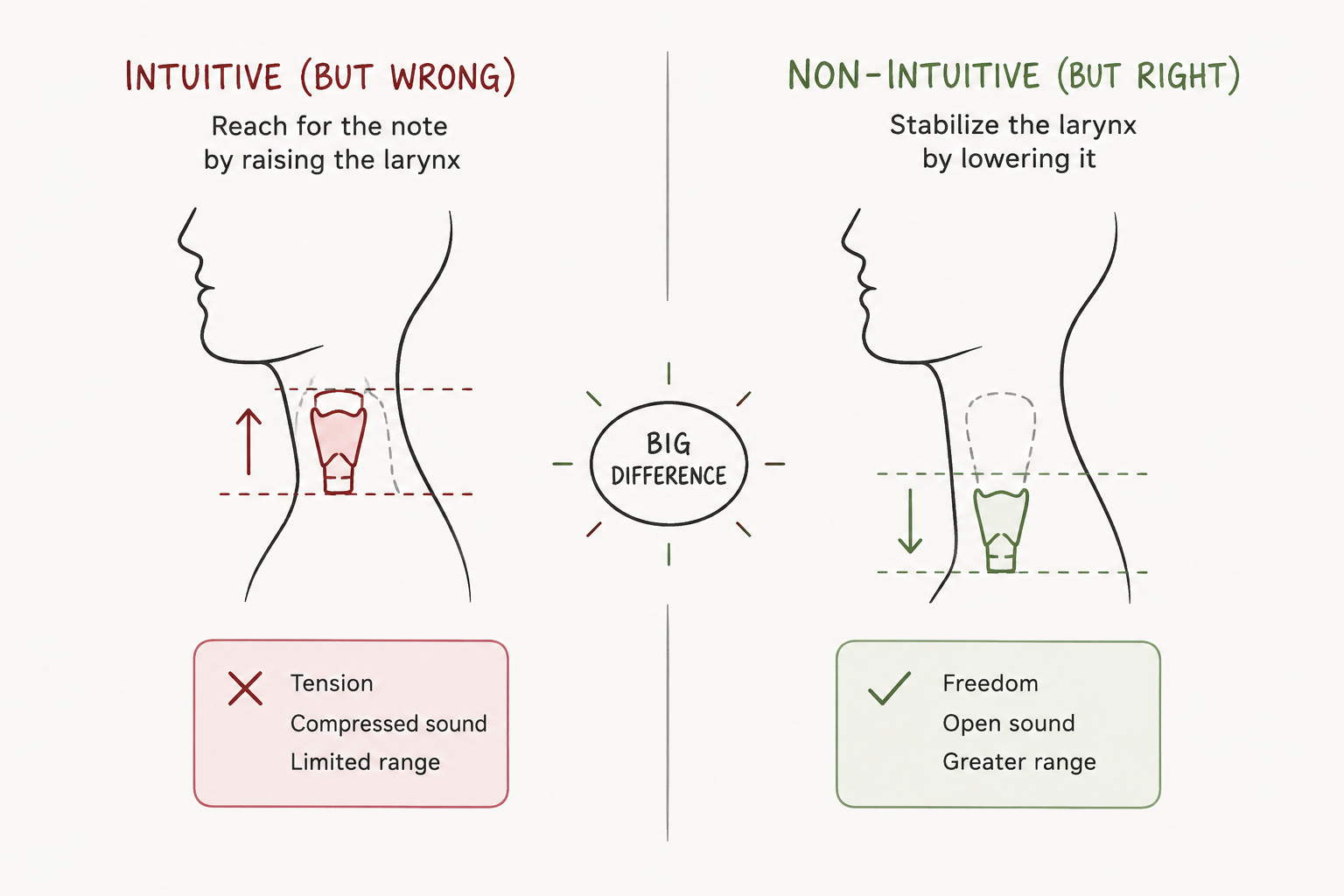
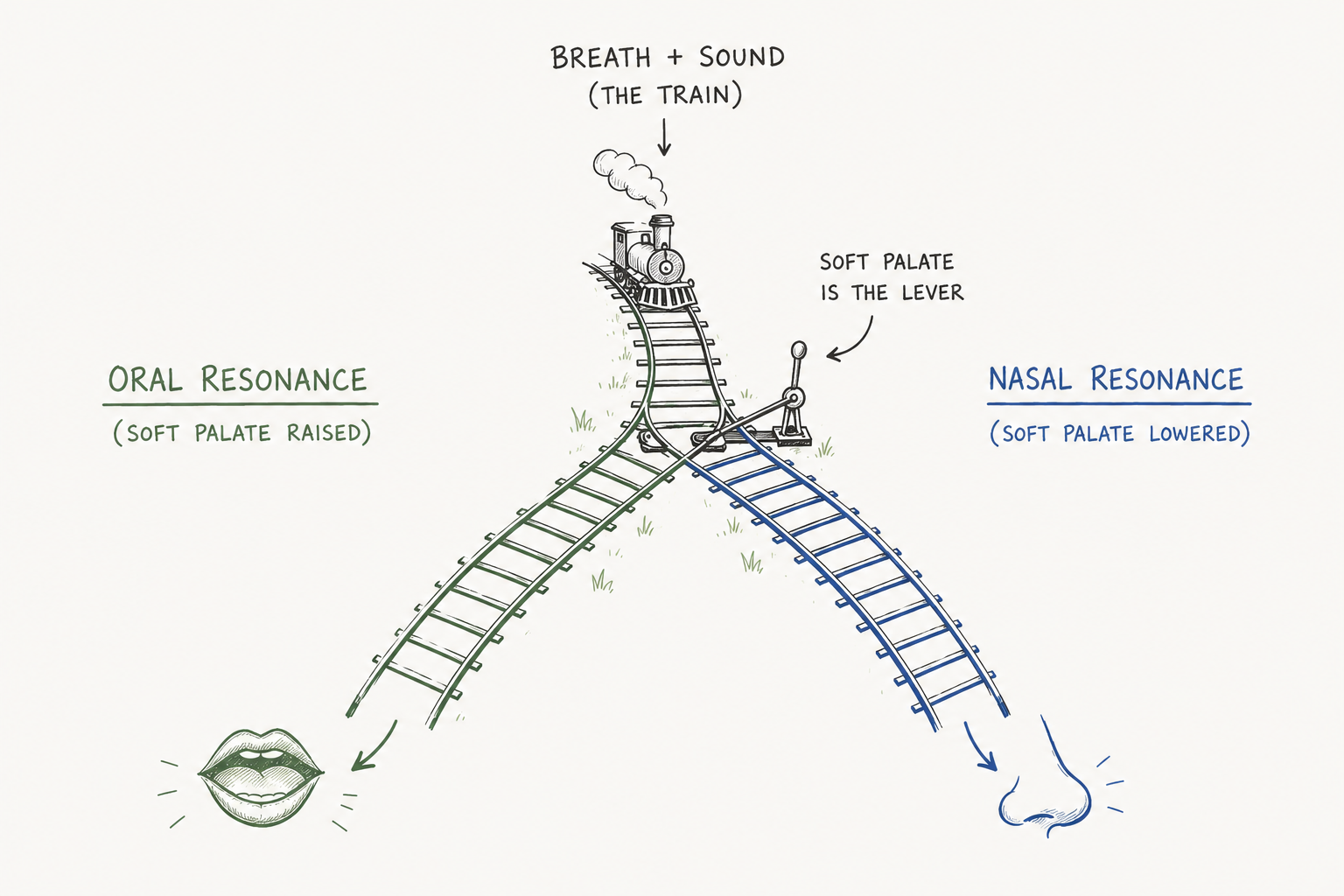
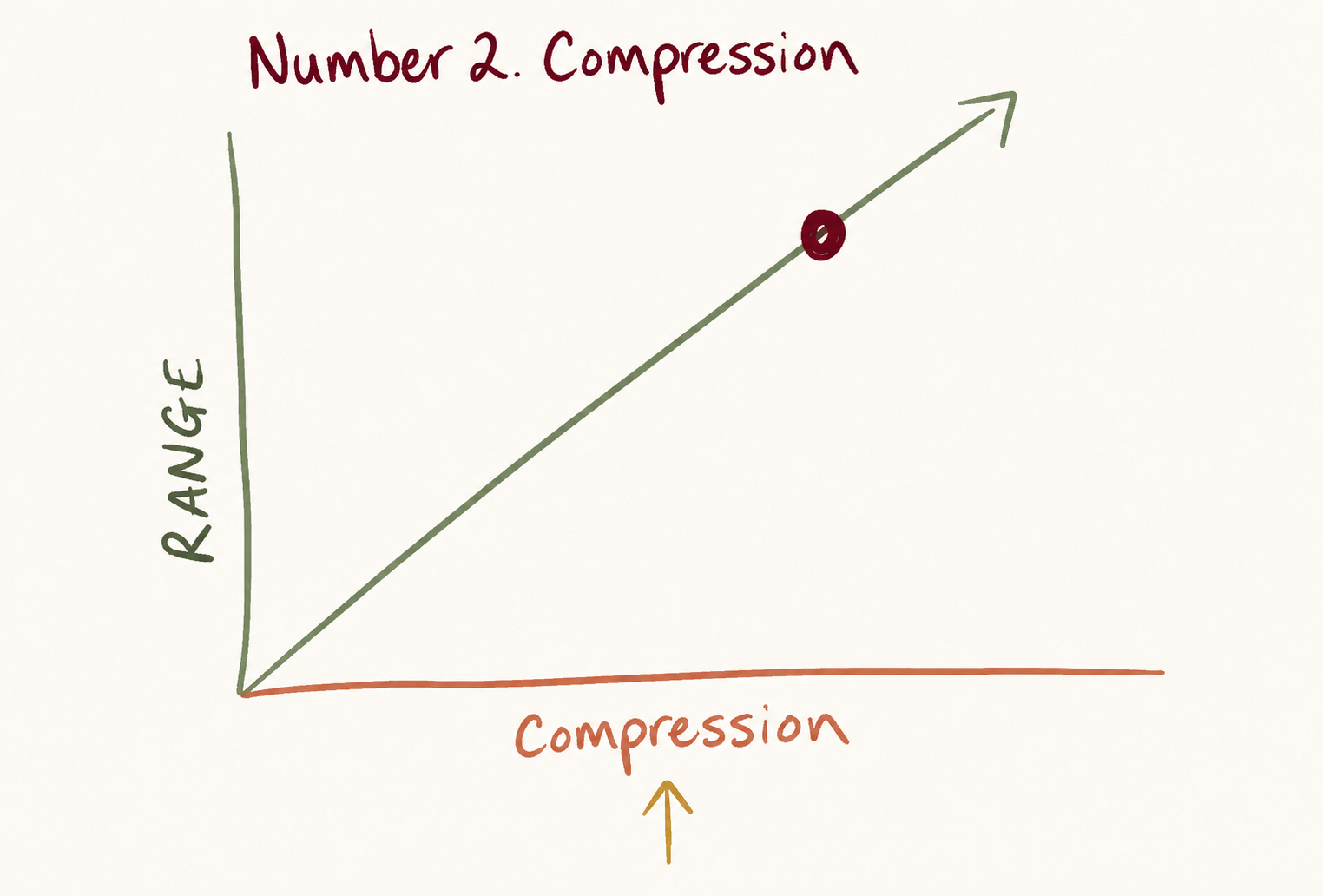
When the Voice Stops Fighting
These are moments inside real lessons, when the coordination finally clicks.
“Wow, all of a sudden, I got this freedom out of nowhere. It's like my real voice just came out... it's like removing the chains.”
Ryan Tsang
discovering the Quiet Scream and soft palate coordinationAlex Threadgill
after a breakthrough lesson learning to raise his soft palate without yelling“I'm genuinely impressed... it feels open and free. It's a new feeling, but I'm getting used to it.”
“I can literally tell I'm slipping into it... my vibrato does this thing where it sounds very balanced... like what it's supposed to do.”
Griffin Doerr
mastering false cord disengagement and tension-free singingAntonio Mattei
seamlessly executing advanced chest voice crescendos without flipping“It feels so different... I thought we were going to take forever to get past this.”
The Course
Introducing: 7 Secrets to High Note Success: Mode 1
A complete vocal coordination system for Mode 1. Three secrets. Every note in your natural range.
Real-Time Visual Sequencing
Every exercise is mapped out visually. You see exactly what syllable to sing, when to sing it, and how the pitch arc moves. No guessing.
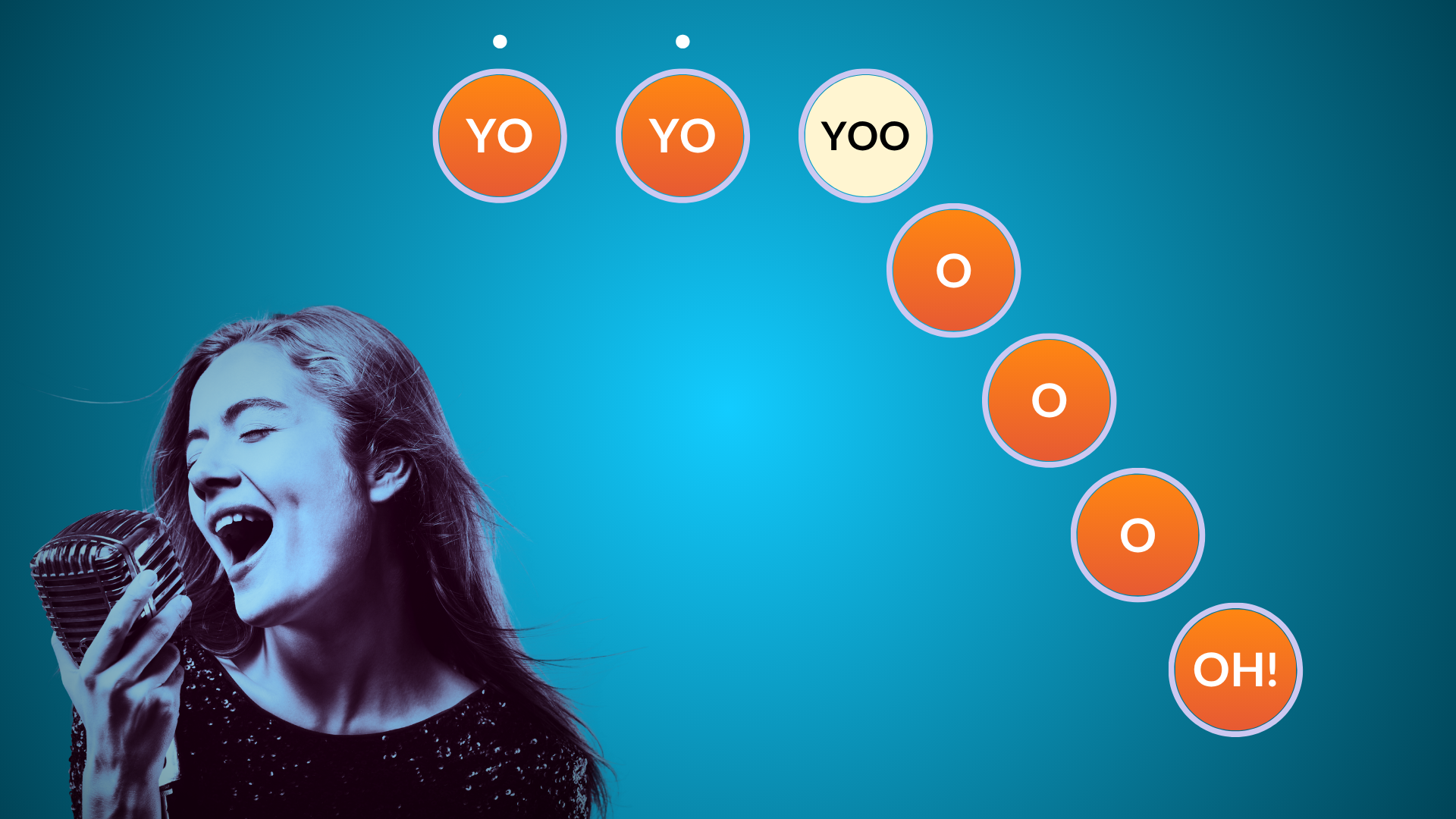
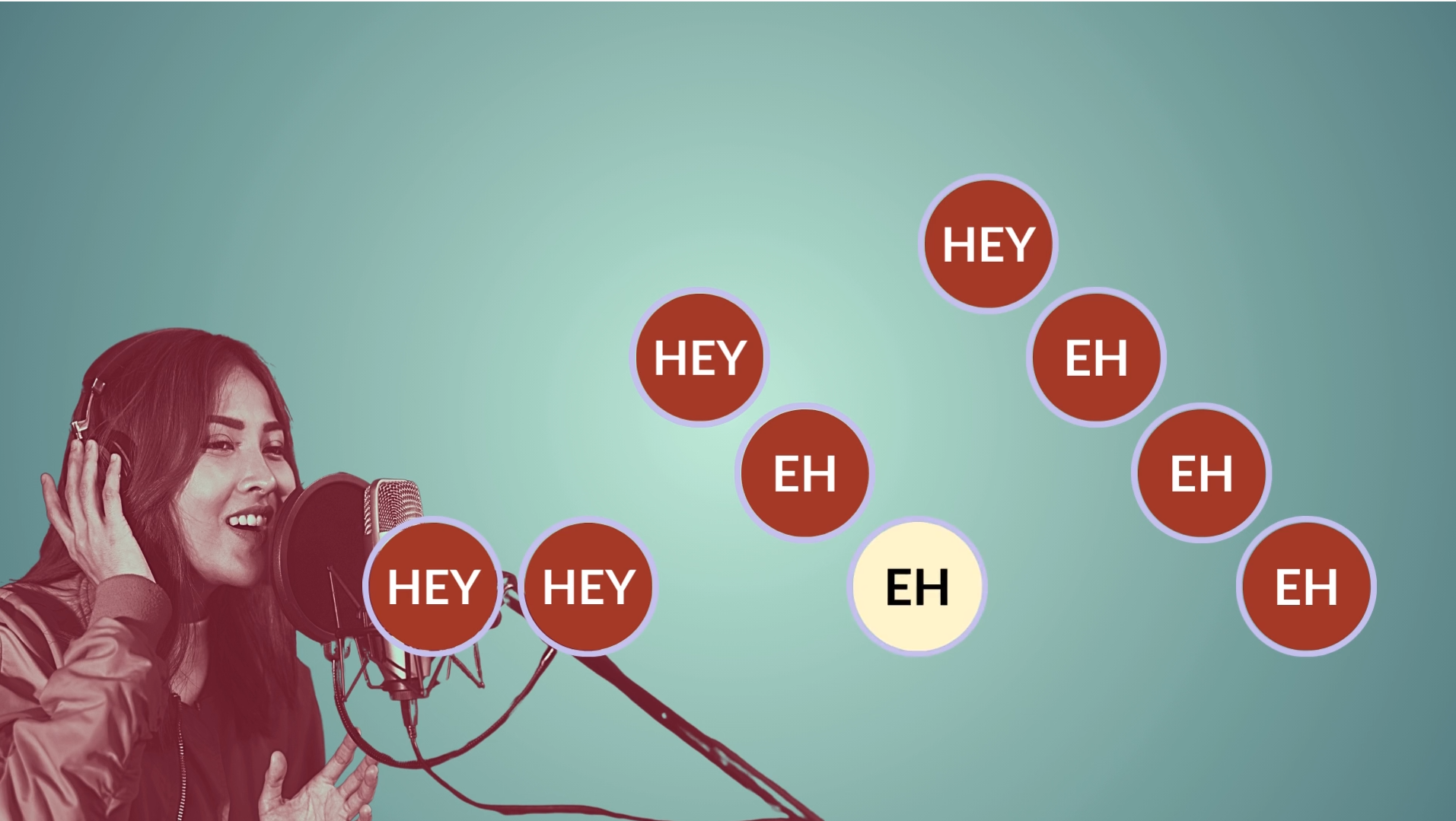
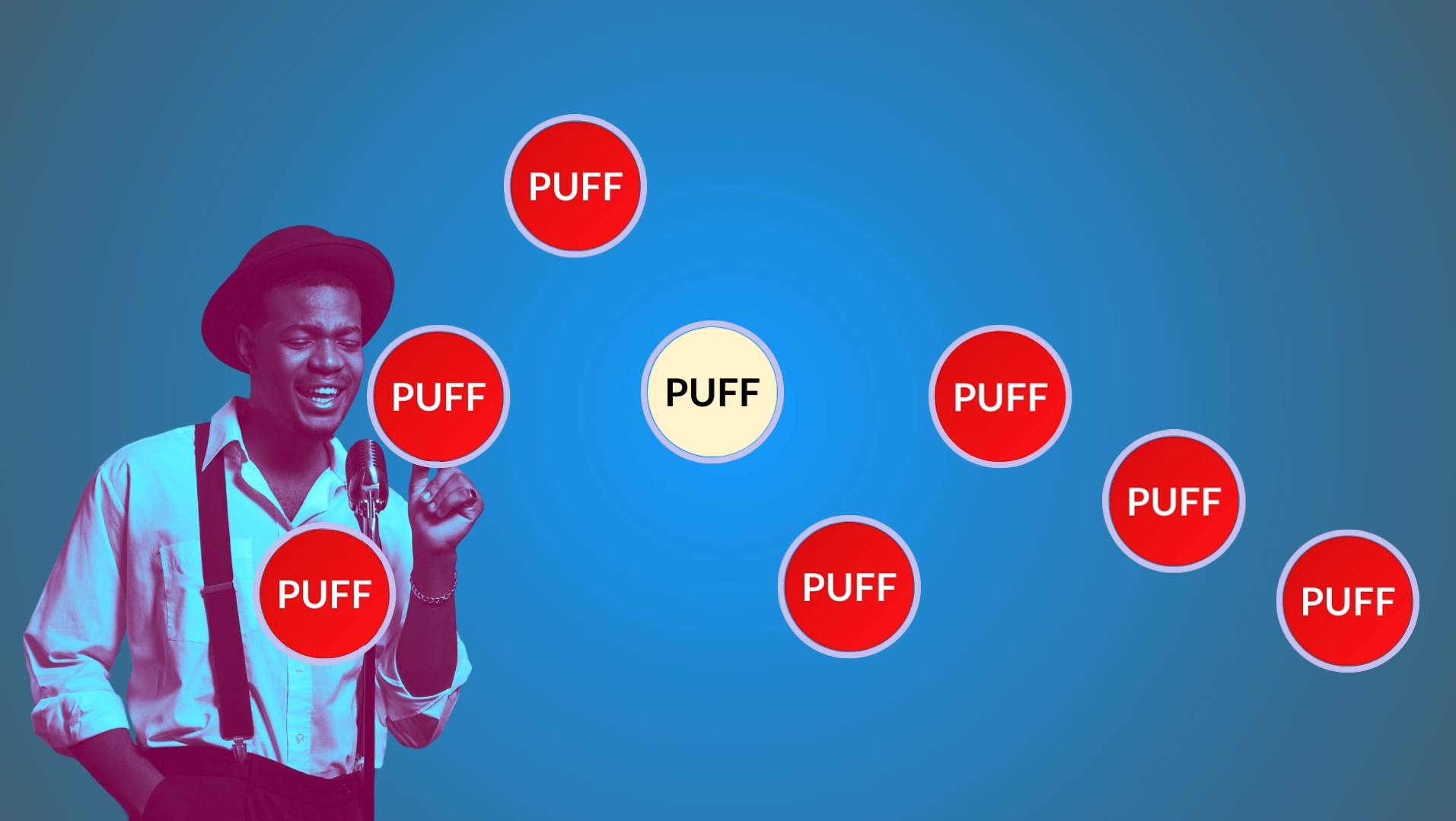


Syllable by syllable
Each note in the exercise is labeled so you always know what to sing. No more rewinding to catch a single sound.
Pitch arc mapped out
The visual arc shows you whether you're going up, holding, or stepping down, before you even start singing.
Male & female versions
Every exercise includes a separate demo for male and female voices so you're always working in the right range.
A More Focused Way to Learn
This isn't a traditional “talking head” course. Each lesson is built as a visual voiceover experience: focused explanations paired with on-screen captions and guidance. You're not distracted by watching someone talk. You're guided through exactly what to listen for, what to do, and what it should feel like.
Your attention stays on the coordination itself, not on the instructor.



Your Transformation Journey
Three phases. Each one builds directly on the last.
Step 1
Discover Mix Voice & Remove Tension
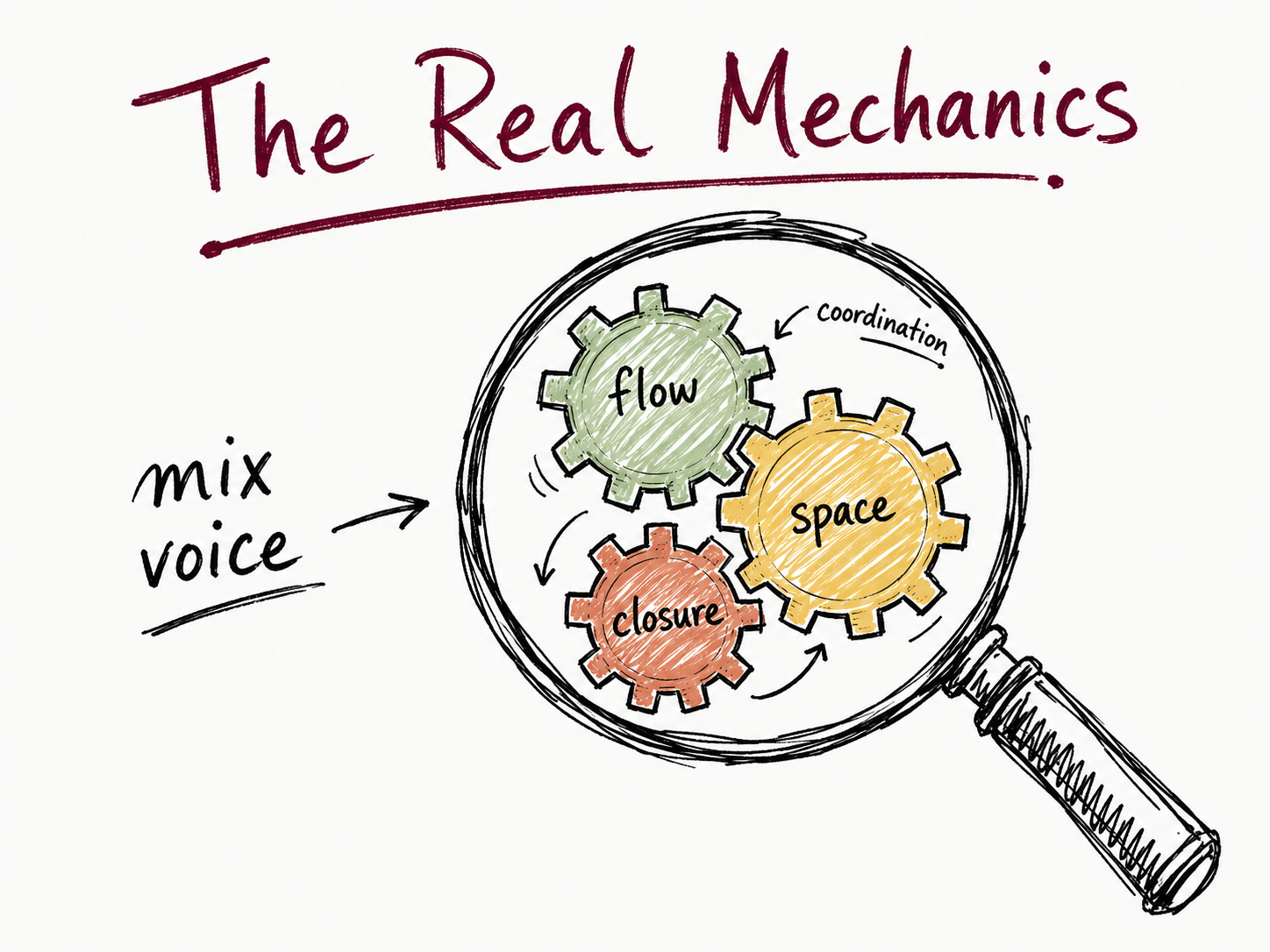
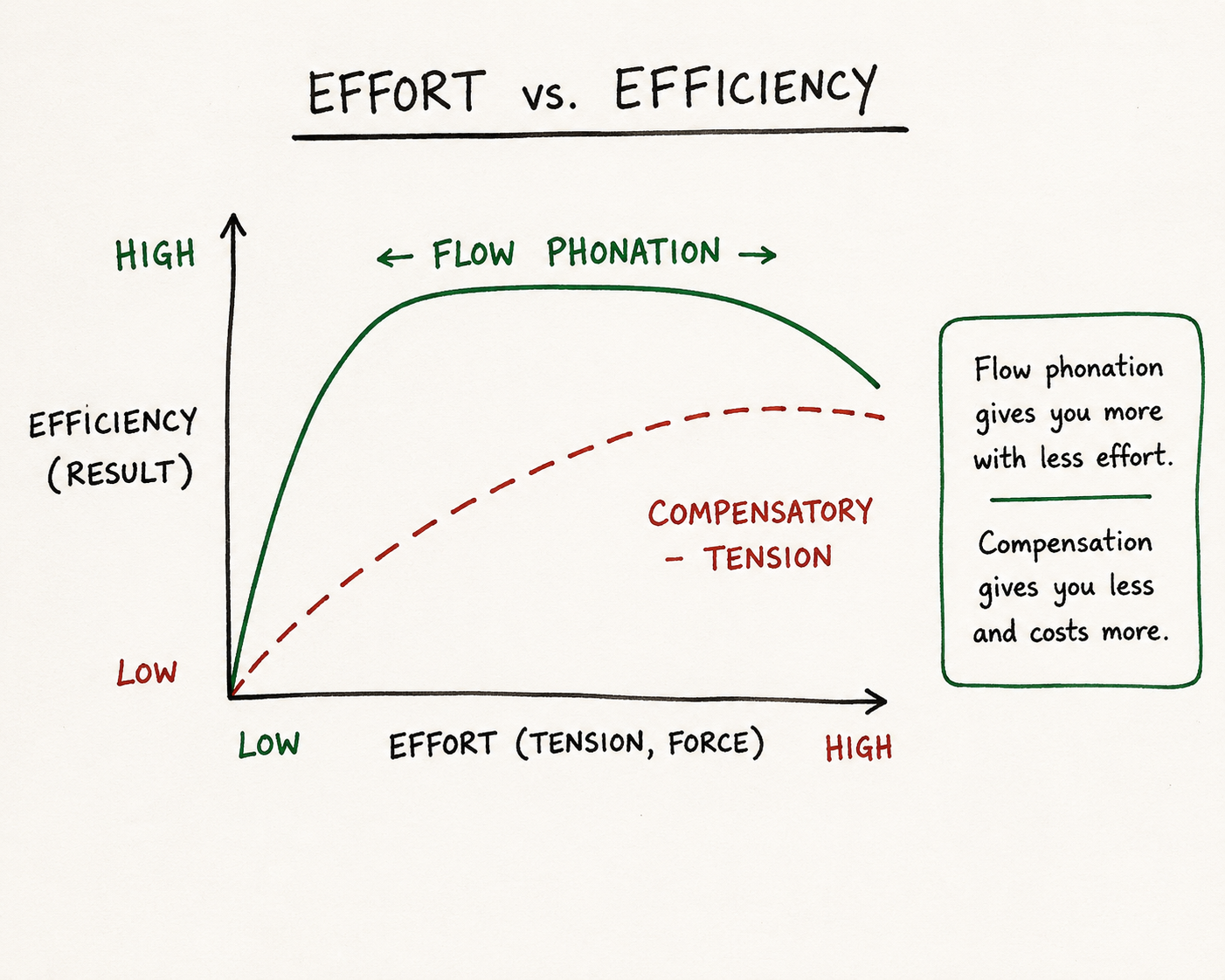
Learn the actual mechanics behind mix voice. You will eliminate the counterproductive throat and jaw tension holding you back by establishing relaxed, efficient flow phonation. This is where the guesswork stops.
Creating Space
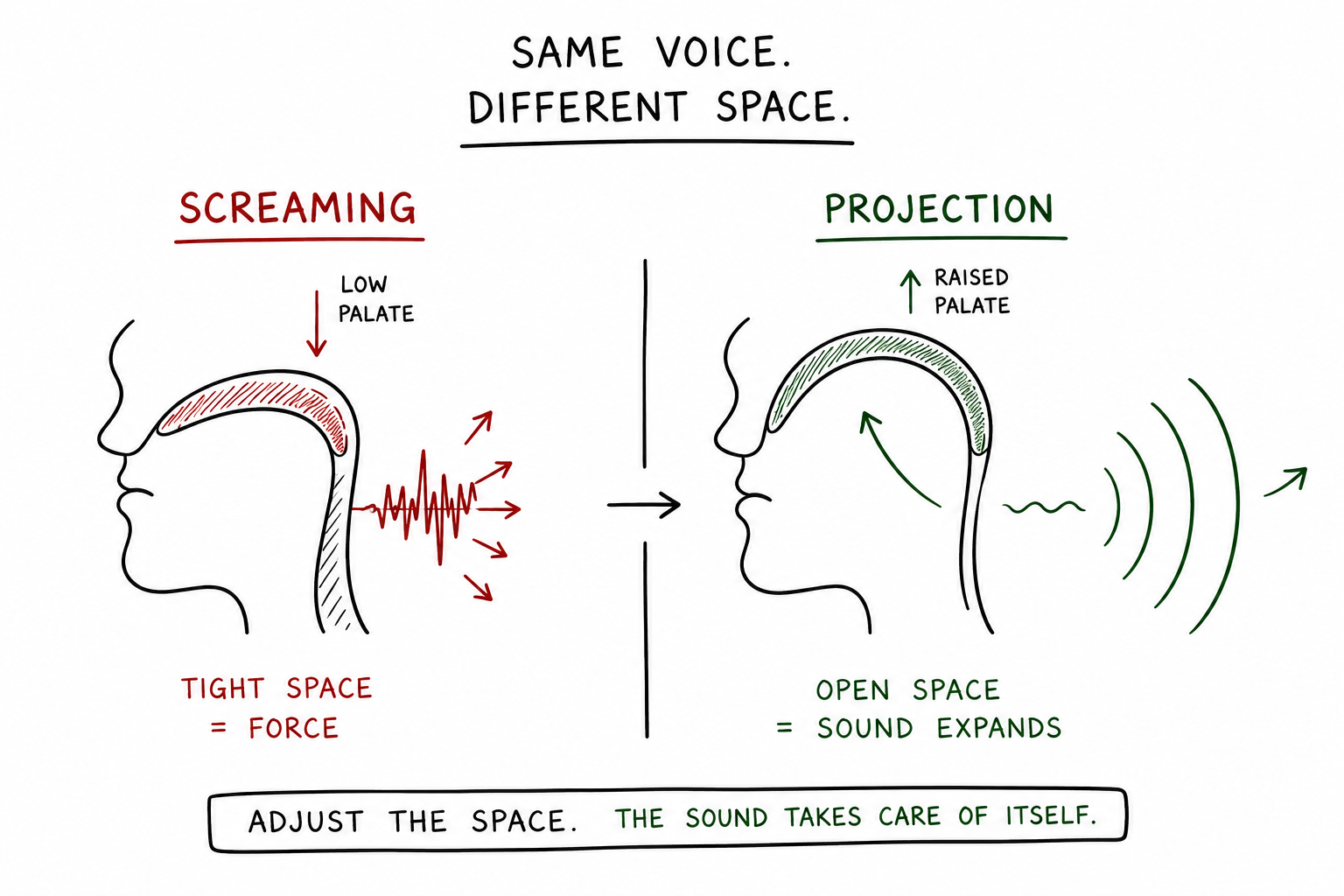
Master your soft palate to remove the ultimate high-note bottleneck. You will learn to physically open your vocal tract so the sound has room to expand — a free, unhindered tone instead of one that fights for space as you climb.
Step 2
Step 3
Cord Closure & Intro to Stabilizing the Larynx
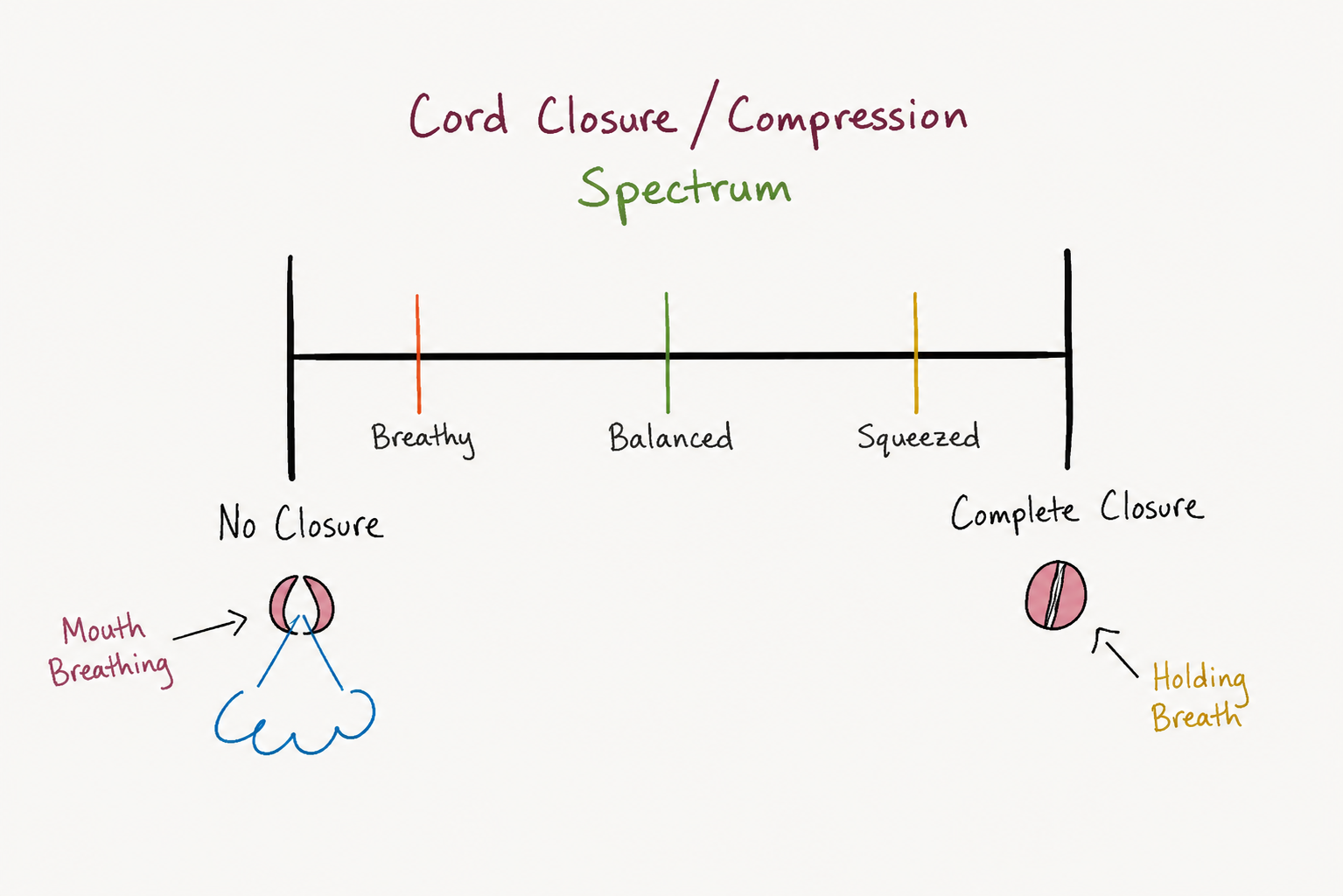
With an open, relaxed throat, you will learn to engage your vocal cords cleanly and efficiently — finding the balanced, tension-free cord closure that powers your upper range. You will also begin working on laryngeal stabilization, the coordination that stops the voice box from rising as you ascend.
How the System Builds Your Voice
You don't jump around. You build this step-by-step.
7 Secrets to High Note Success: Mode 1 — Available Now
7 Secrets to High Note Success: Mode 2 — Coming Soon
What People Are Saying
Real comments from real singers.


Pricing
Join to get immediate access to our step-by-step vocal coordination system, including:
One-time payment.
Price increases as modules release.
30-Day Money-Back Guarantee
Go through the first three modules. If you don't feel a difference, email us for a full refund.
Early bird price. One-time payment. Lifetime access.
Frequently Asked Questions
Stop Forcing High Notes.
Start Building Them.
Your voice isn't missing range. It's missing coordination.
Get Started — Early Bird $97"I got an octave back."
"Wow. Immediate results."
"I was able to hit high notes without tension right away."